Mold-Resistant Building Materials for Commercial Renovations in Yarmouth
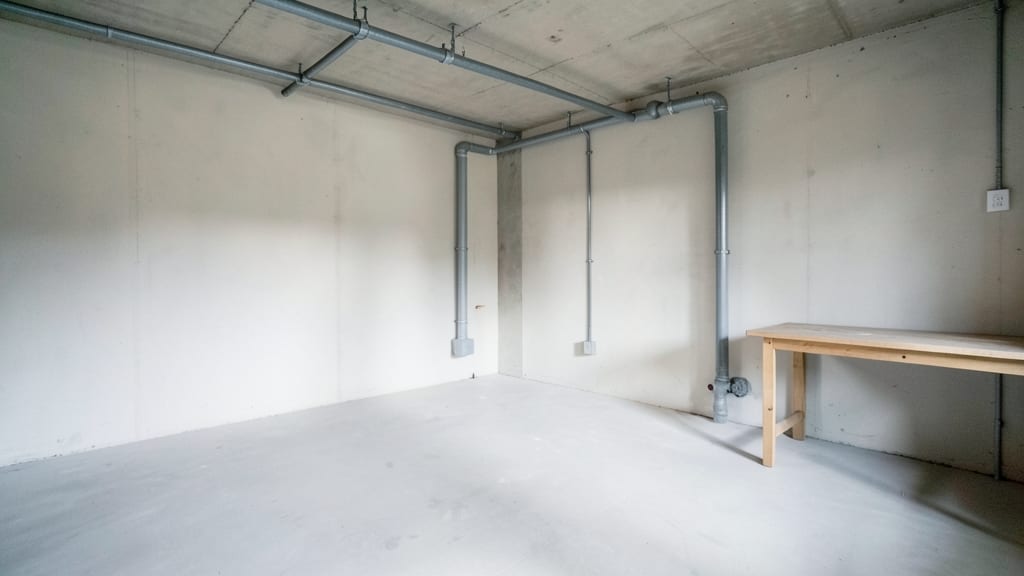
Commercial spaces in Yarmouth face persistent humidity and seasonal moisture swings, making mold-resistant materials critical during renovations. The right choices can prevent costly remediation and protect tenant health. Selecting products designed to resist mold growth is a proactive step in long-term building maintenance.
Why Mold-Resistant Materials Matter in Yarmouth’s Climate
Cape Cod’s coastal humidity, frequent rain, and temperature fluctuations create ideal conditions for mold growth in commercial buildings. Yarmouth’s proximity to the water exacerbates moisture retention in walls, floors, and ceilings.
Mold thrives in organic materials like wood, paper-backed drywall, and standard insulation. Without prevention, hidden colonies can spread behind walls or under flooring, leading to structural damage and indoor air quality issues.
Top Mold-Resistant Drywall Options
Paperless drywall replaces the traditional paper facing with fiberglass, eliminating a primary food source for mold. Brands like USG’s Sheetrock Mold Tough are engineered for high-moisture areas such as bathrooms, basements, and kitchens.
Moisture-resistant drywall (MR board or green board) includes water-repellent additives in the gypsum core. While not fully mold-proof, it resists absorption better than standard drywall in moderately damp environments.
For extreme moisture zones like crawl spaces or below-grade walls, cement board is the gold standard. It contains no organic material, making it inherently mold-resistant and durable in wet conditions.
| Material | Mold Resistance | Best For | Cost Factor |
|---|---|---|---|
| Paperless Drywall | High | Bathrooms, basements, kitchens | Moderate |
| Moisture-Resistant (Green Board) | Moderate | Moderately damp areas | Low to Moderate |
| Cement Board | Very High | Crawl spaces, showers, below-grade walls | High |
Moisture Barriers and Vapor Retarders
Vapor barriers are essential in Yarmouth’s climate to block moisture from migrating into walls. Polyethylene sheeting (6 mil) is commonly used in crawl spaces and basements to prevent ground moisture from seeping into the structure.
For above-grade walls, vapor retarders like kraft-faced insulation or foil-backed sheathing can slow moisture diffusion. However, improper installation can trap moisture inside walls, so ventilation and drainage must be considered.
Improper vapor barrier placement can lead to condensation within walls, accelerating mold growth. Always follow building codes for Yarmouth and consult a professional for complex assemblies.
Treated Lumber and Structural Framing
Pressure-treated lumber is infused with preservatives to resist rot, decay, and mold. It’s ideal for structural framing in damp areas like basements, crawl spaces, or exterior walls exposed to Cape Cod’s salty air.
For non-structural applications, mold-resistant OSB (oriented strand board) and plywood are available. These products use waterproof adhesives and treatments to deter fungal growth in subflooring or sheathing.
Insulation Choices to Deter Mold
Fiberglass insulation with a moisture-resistant facing helps prevent mold by reducing condensation. Closed-cell spray foam insulation, while more expensive, creates an air and vapor barrier, minimizing moisture infiltration.
Avoid organic insulations like cellulose in high-moisture areas. If used, ensure proper ventilation and vapor barriers are in place to mitigate risk.
Closed-cell spray foam’s high R-value and moisture resistance make it a top choice for Yarmouth basements and crawl spaces, where humidity levels are consistently high.
Flooring and Wall Finishes
Porcelain or ceramic tile with epoxy grout resists moisture and mold in commercial kitchens, restrooms, and entryways. Vinyl composition tile (VCT) and luxury vinyl plank (LVP) are also water-resistant options for high-traffic areas.
For walls, epoxy-based paints or mold-resistant primers can add a protective layer. These coatings are often used in healthcare or food service settings where hygiene is critical.
HVAC and Ventilation Considerations
Proper HVAC design is key to controlling humidity in Yarmouth commercial spaces. Dehumidifiers, especially in basements and crawl spaces, can maintain relative humidity below 60%, the threshold for mold growth.
Ensure ductwork is inspected for moisture buildup, particularly in coastal areas like South Yarmouth or Dennis, where salt air can accelerate corrosion. HVAC mold remediation may be necessary if contamination is found.
HVAC Mold Prevention Checklist
- Install high-efficiency air filters (MERV 8-13) to capture mold spores
- Use condensate drain pans treated with antimicrobial agents
- Ensure proper slope and insulation for ductwork to prevent condensation
- Schedule regular HVAC inspections, especially before peak humidity seasons
Local Factors in Yarmouth and Nearby Areas
Yarmouth’s sandy soil and high water table can lead to moisture seepage in basements and crawl spaces. Areas like South Yarmouth and West Yarmouth, closer to the coast, are particularly susceptible to salt air and storm surge impacts.
Nearby towns such as Dennis, Barnstable, and Harwich share similar challenges. Commercial properties in Hyannis or Harwich Port may require additional moisture control due to older building stock and dense development.
How to Select Mold-Resistant Materials for a Commercial Renovation
Choosing the right materials requires assessing moisture risk and building codes for Yarmouth.
- 1Assess Moisture Risk Zones
Identify high-risk areas such as basements, crawl spaces, bathrooms, and kitchens. Prioritize materials with the highest mold resistance in these zones.
- 2Check Local Building Codes
Review Yarmouth’s building codes for requirements on vapor barriers, insulation, and ventilation. Some materials may require professional installation to meet standards.
- 3Compare Material Specifications
Evaluate mold resistance ratings, moisture absorption rates, and durability. For example, cement board outperforms green board in wet environments.
- 4Plan for Ventilation and Drainage
Ensure proper ventilation in bathrooms and kitchens. Install sump pumps or French drains in basements or crawl spaces prone to water intrusion.
- 5Consult a Professional for Complex Projects
For large-scale renovations or areas with existing mold, a commercial mold remediation specialist can provide guidance on material selection and moisture control strategies.
Frequently Asked Questions
What are the most mold-resistant materials for a Yarmouth basement renovation?
Cement board for walls, closed-cell spray foam insulation, and epoxy-coated flooring are top choices. These materials resist moisture and lack organic components that mold can feed on. Always pair with proper drainage and dehumidification.
Can mold-resistant drywall be used in all areas of a commercial building?
Mold-resistant drywall is ideal for high-moisture areas but may not be necessary in dry, climate-controlled spaces. Standard drywall can suffice in offices or retail areas with low humidity, provided the HVAC system maintains proper conditions.
How does the Cape Cod climate affect mold growth in commercial properties?
The region’s high humidity, frequent rain, and temperature swings create persistent moisture. Coastal salt air can also corrode HVAC systems, leading to condensation and mold. Properties in Yarmouth, Dennis, or Harwich require proactive moisture control.
Is treated lumber required for all structural framing in Yarmouth?
Treated lumber is recommended for framing in damp or below-grade areas, such as basements and crawl spaces. For above-grade framing in dry areas, standard lumber may be acceptable, but moisture barriers and ventilation are still critical.
What should I do if I find mold during a renovation in Yarmouth?
Stop work immediately and isolate the area to prevent spore spread. A commercial mold remediation professional should assess the extent of the contamination and develop a remediation plan, which may include air quality testing and moisture control upgrades.
Are there mold-resistant materials for HVAC systems?
Yes, antimicrobial-treated duct linings, UV lights in air handlers, and moisture-resistant insulation for ductwork can help prevent mold. Regular HVAC maintenance, including coil cleaning and drain pan inspections, is also essential.